
For many small business owners, GST is something that gets added on at the end – or worse, something that gets absorbed into pricing without much thought.
That’s where problems start.
While not every business is registered for GST – and some operate below the threshold or in GST-free areas – for those that are registered, GST should not be impacting your profitability.
GST is not an expense of your business. It’s not revenue either. It’s simply money you collect on behalf of the ATO.
The common mistake: Pricing “including GST”
One of the most common issues we see is businesses setting their prices including GST, without properly separating it.
For example:
- A business charges $1,100 for a job
- They think they’ve made $1,100 in revenue
In reality:
- $100 of that belongs to the ATO
- The business has only earned $1,000
If pricing hasn’t been set correctly, that $100 often comes out of your margin – not your customer’s pocket.
GST Should Never Impact Your Margin
At a basic level, GST should be neutral.
If structured properly:
- You collect GST on income
- You claim GST on expenses
- You remit the difference
Your margin should be calculated exclusive of GST.
If GST is affecting your profitability, it usually means pricing hasn’t been set correctly, margins are being calculated incorrectly, or GST isn’t being clearly separated in your systems.
Set your pricing the right way
A simple shift makes a big difference:
always think in terms of GST-exclusive pricing
Ask yourself:
- What do I need to charge to achieve my margin before GST?
- Then add GST on top
Not the other way around.
When pricing is built this way, your margins stay intact, GST becomes a pass-through, and your reporting becomes more accurate.
Where businesses get caught out
We typically see issues in businesses that:
- Quote rounded numbers including GST
- Don’t clearly separate GST in their accounting system
- Calculate profit based on bank balance instead of real numbers
- Haven’t reviewed pricing as costs increase
Over time, this can quietly erode profitability – especially in service-based businesses.
Your systems need to support this
Your accounting system should make GST clear and visible.
You should be able to:
- See revenue exclusive of GST
- Track GST collected and payable
- Understand your true margin
If your reports are showing GST-inclusive figures without clarity, it becomes very easy to misread performance.
GST and cash flow – Don’t spend what isn’t yours
Another common issue is cash flow.
Because GST is collected in cash, it can feel like available money.
But it isn’t.
Businesses that run into trouble typically:
- Don’t set GST aside
- Use it to fund operations
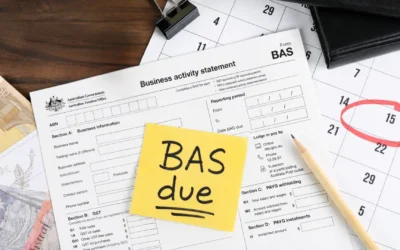
- Then face pressure when BAS is due
A better approach is to treat GST as a liability from day one, set it aside regularly, and avoid relying on it for working capital.
Final thought
GST isn’t complicated but it does require discipline.
When handled properly, it doesn’t impact your margin, it doesn’t create surprises, and it doesn’t cause cash flow pressure.
When it’s not, it can quietly eat into profitability without you realising.
How we help
This is where having the right systems and advice makes a difference.
We work with clients to:
- Review pricing and ensure margins are set correctly
- Structure reporting so GST is clearly separated
- Improve visibility over true business performance
- Implement processes to manage GST and cash flow properly
If you’re unsure whether GST is being handled correctly in your business, it’s worth reviewing – small changes here can have a meaningful impact on profitability.
Our team is here to help.
GST FAQs
1. When do I actually have to pay GST to the ATO?
GST is typically paid when you lodge your BAS, either monthly or quarterly depending on your reporting cycle. The key is ensuring the funds are set aside ahead of time, rather than relying on cash being available when the BAS is due.
2. What’s the difference between cash and accrual GST reporting?
On a cash basis, GST is payable when you receive payment from customers. On an accrual basis, GST is payable when you issue an invoice, even if you haven’t been paid yet, which can create timing and cash flow differences.
3. Can I claim GST on all business expenses?
Yes—where GST has been charged on a purchase and it relates to your business activities, you can generally claim it back. However, GST isn’t claimable on GST-free items or on expenses that are partly or wholly private in nature.
4. Should I be registered for GST?
Not all businesses are required to register for GST. While registration is generally required once turnover reaches $75,000, it also depends on your industry, customer base, and pricing. If you’re unsure, getting advice can help avoid registering too early or too late.
5. What happens if I use the GST I’ve collected for other expenses?
If GST collected from customers is used to fund operations or other expenses, you’ll still need to pay that amount to the ATO when your BAS is due, which can create unexpected cash flow pressure and financial stress.